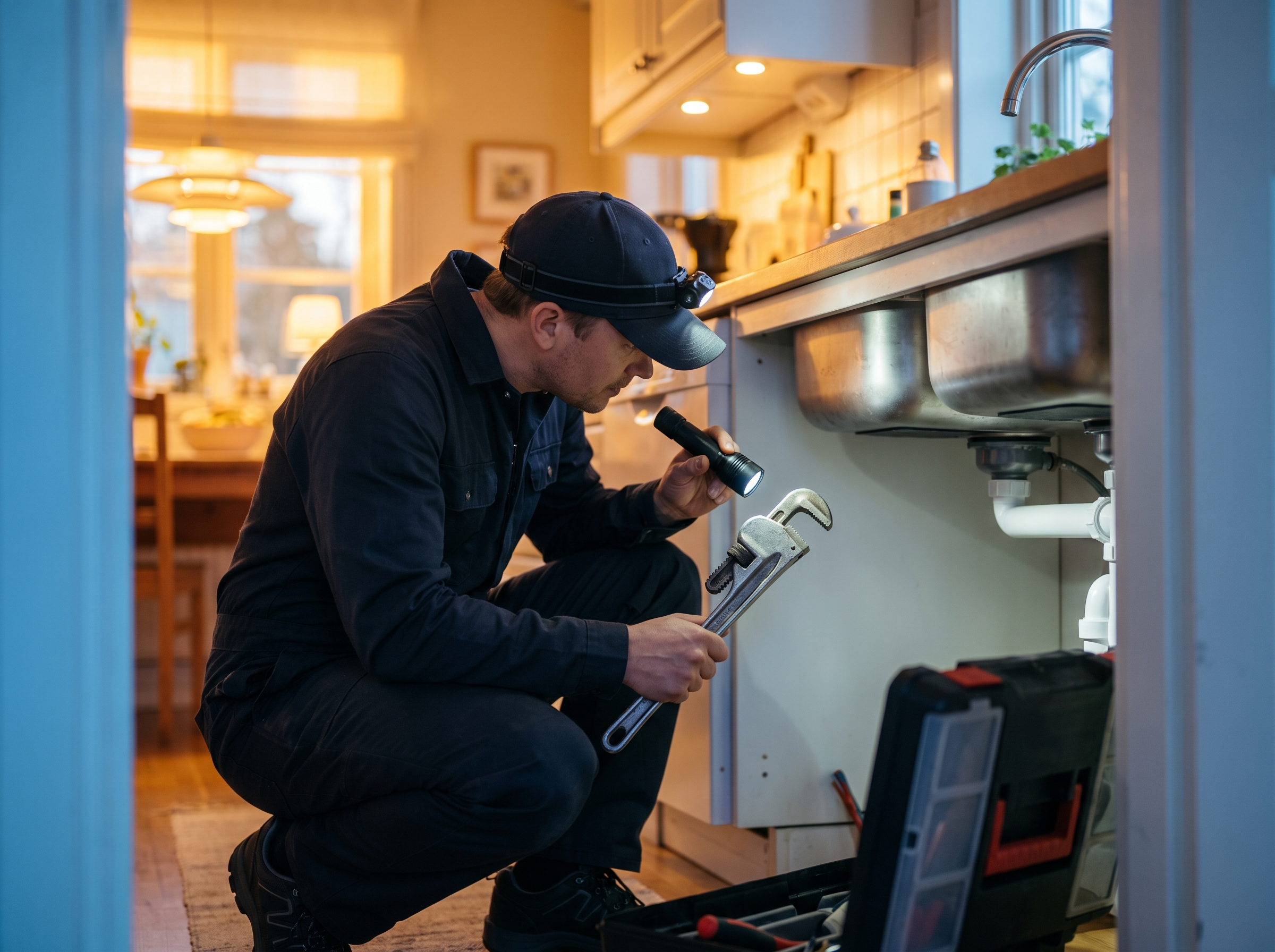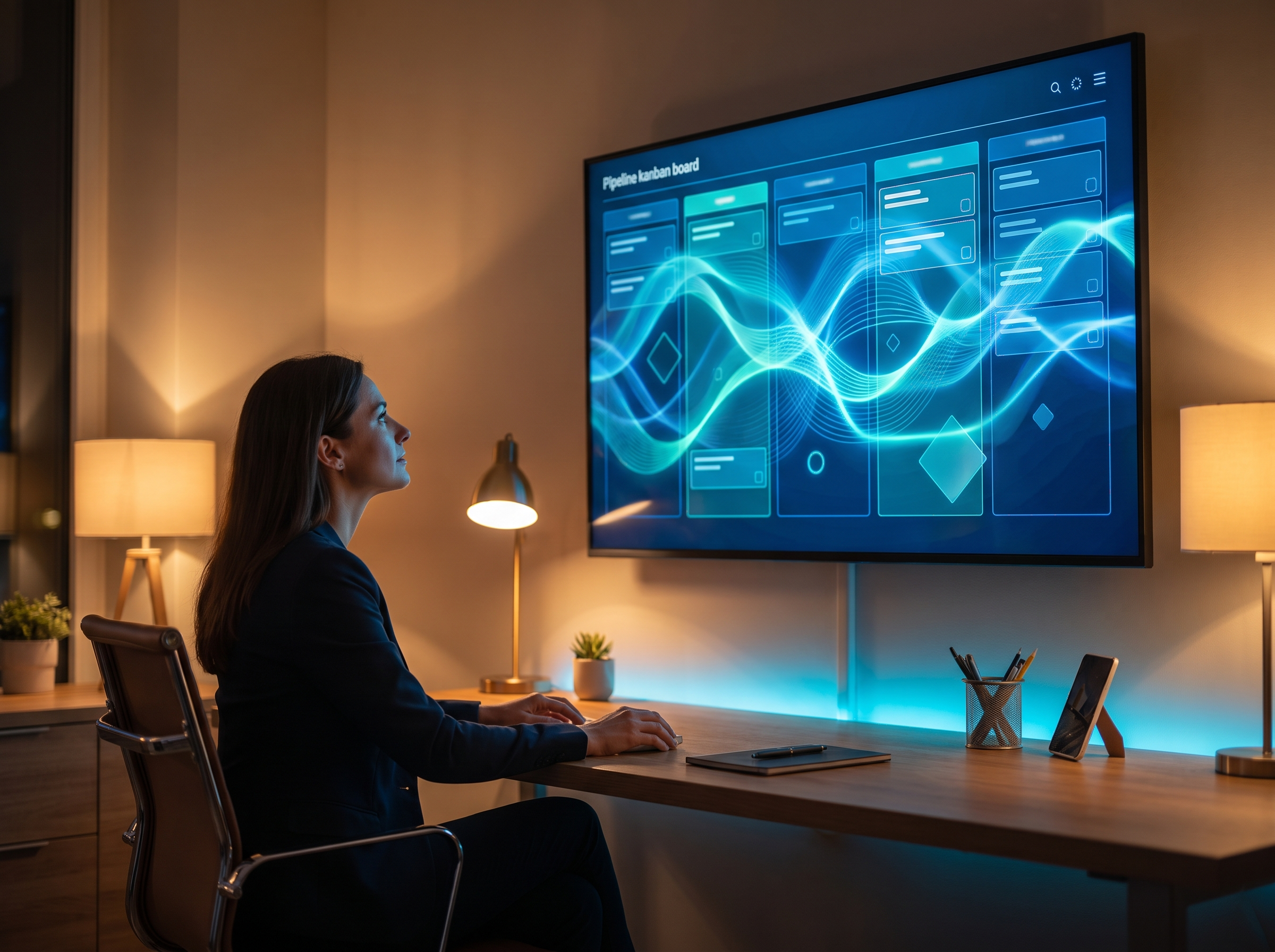
Most homeowners reach out to more than one contractor. They fill out two or three forms, call a couple of numbers from the map, and then go with whoever gets back to them first with a real answer. Speed to lead is simply the time between a customer reaching out and your business responding. In the trades, it often decides the job before price or reviews ever come up.
Why speed matters more in the trades
Think about how people buy home services. A furnace quits on a January night. A breaker keeps tripping. A homeowner finally decides the exterior needs paint before they list the house. In each case, they want the problem handled, and they'll take the first credible company that makes it easy.
That plays out differently by job type:
- Emergency work (plumbing leaks, no heat, power loss): the first company to answer usually books it, often within minutes.
- Urgent but not emergency (AC repair in a heat wave, a broken window): the first company to offer a time slot wins.
- Planned projects (painting, decks, remodels, panel upgrades): the first company to respond sets the tone, books the estimate first, and becomes the benchmark everyone else is measured against.
Being fast doesn't guarantee the job. Being slow almost guarantees you won't get it.
What the research says (and its limits)
The most cited study on this is "The Short Life of Online Sales Leads" by James Oldroyd, Kristina McElheran and David Elkington, published in Harvard Business Review in March 2011. They reported that companies that contacted a lead within an hour were nearly seven times as likely to qualify it, meaning have a meaningful conversation with a decision maker, as companies that waited even one hour longer. They also found many companies took far longer than that to respond, or never responded at all.
Two honest caveats. The research is from 2011, and it studied online leads across a range of US businesses, not home service contractors specifically. So don't treat the exact multiplier as a law of nature for your plumbing company. The direction is what matters, and it matches what anyone who has run a trade business has seen: leads go cold fast.
Measure your own response time first
Before you build anything, find out how fast you really are. Run a test on your own business over a week:
- Submit your website form at 10 a.m. on a weekday.
- Submit it again at 7 p.m.
- Call your main number during lunch and let it ring through.
- Call after hours.
- If you run Facebook lead ads or Local Services Ads, submit a test lead there too.
Record what happened in a simple table:
| Test | Time sent | First response | How (text, call, email) | Minutes to respond |
|---|---|---|---|---|
| Web form, morning | ||||
| Web form, evening | ||||
| Call, lunch | ||||
| Call, after hours | ||||
| Ad lead |
Most owners are surprised. The form email went to an inbox nobody checks, or the after-hours call went to a full voicemail box. Our post on the cost of a missed call shows how to put a dollar figure on those gaps.
Building an instant response system
The goal isn't to have the owner glued to their phone. It's to make sure every lead gets an immediate acknowledgment and a fast human follow-up, no matter where it comes from.
1. Get every lead into one place
Calls, texts, web forms, Facebook lead forms, Local Services Ads and booking requests should all land in one CRM inbox. If leads arrive in five different apps, someone will always miss one. This is the foundation for everything else.
2. Send an automatic first response within a minute
When a lead comes in, the system sends a text right away. It should name your company, confirm what they asked about, and say what happens next:
"Hi Jen, thanks for reaching out to [Company] about your water heater. A tech will call you within 15 minutes. If it's leaking now, turn off the cold water supply valve on top of the tank."
For missed calls, a missed-call text-back does the same job for people who never filled out a form.
3. Alert a person immediately
At the same time, the right person gets an alert: a text or push notification with the lead's name, phone, service and source. Set rules for who gets which leads, such as emergencies to the on-call tech, estimates to the office manager, and commercial requests to the owner.
4. Escalate if nobody acts
If no one has called or replied within your target (say 10 minutes during business hours), the system alerts a second person. This one rule fixes most response time problems, because leads stop dying quietly in someone's notifications.
5. Decide what happens after hours
You have a few options:
- An on-call rotation for emergencies, with non-emergencies acknowledged and called first thing in the morning
- A booking link so planned-work leads can pick an estimate time themselves
- An AI receptionist that answers, triages and books (see our honest look at AI receptionists for contractors)
Whatever you choose, tell the customer what will happen. "We'll call you by 8:30 tomorrow morning" is far better than silence.
6. Follow up if they don't respond
Fast first contact is only half of it. Plenty of leads don't pick up the first call. A short follow-up sequence of a few texts and calls over the next several days catches many of them. For estimates, our estimate follow-up sequence lays out the day-by-day plan.
Mistakes that slow you down
- Long forms. Every extra field adds friction. Ask for the basics and get details on the call.
- Auto-replies that pretend to be human. If it's automated, keep it honest and useful. Customers can tell.
- Responding without a next step. "Thanks, we got your message" doesn't win jobs. "Here are three times we can come out" does.
- No tracking. If your CRM doesn't timestamp first response, you can't manage it.
- Texting without registration. Business texting from a local number needs A2P 10DLC registration, or carriers may block your messages. See our A2P 10DLC guide.
What to track every week
Pick a few numbers and review them weekly:
- Average time to first response, split by business hours and after hours
- Percentage of leads contacted within your target time
- Leads that never got a human response
- Booking rate by lead source
Response time is one of the few sales numbers you control completely. You can't change what competitors charge, but you can make sure you're always the first to answer.
How RGS helps
We build instant response systems that pull every lead into one CRM, send the first text automatically, alert the right person, and escalate if nobody acts. It's part of our AI Services & Automations work. See how this fits for plumbing companies or electrical contractors, and contact us if you want help running the test above.