Your past customers are the easiest people to sell to. They already know your crew showed up, did good work and charged what you said. Yet most service businesses spend everything chasing strangers with ads while a list of hundreds or thousands of past customers sits untouched in a spreadsheet or old invoicing software.
A simple reactivation program, a few messages a year by text and email, can fill slow weeks without spending a dollar on ads. Here's how to do it without annoying people or breaking the rules.
Start with your list
Pull every past customer you can find: CRM, invoicing software, QuickBooks, old estimates, even the shoebox. For each one, try to capture:
- Name, phone, email and service address
- What you did and when
- Job value
- Whether they've given consent to text, and how
Then segment. The more specific the message, the better it works:
| Segment | Example |
|---|---|
| Service type | Furnace tune-up, spring cleanup, gutter cleaning, ceramic coating |
| Last service date | Over 12 months ago, 6 to 12 months, under 6 months |
| Job size | One-time small job vs. large project |
| Maintenance plan | Active, expired, never had one |
| Town | For route-based scheduling |
Clean up duplicates and dead numbers before you send anything.
Consent rules (read this before you text anyone)
Texting rules are stricter than most owners think. This is general information, not legal advice.
- Marketing texts generally need prior express written consent. In practice, that means the customer agreed in writing, often a checkbox on a form, to receive marketing texts from you. Having their number from a job isn't the same thing.
- Service and transactional messages are treated differently from promotions, but "your furnace tune-up is due, book now" can read as marketing. When in doubt, treat it as marketing.
- Honor opt-outs immediately. STOP, UNSUBSCRIBE, "no more texts" and similar replies mean stop.
- Respect quiet hours. Federal rules limit telemarketing to 8 a.m. to 9 p.m. in the recipient's time zone, and some states are stricter. A good rule: weekdays and Saturdays, mid-morning to early evening.
- Your texting number must be registered with the carriers for business texting, or your messages may be filtered or blocked. See our A2P 10DLC registration guide.
- Email has its own rules under CAN-SPAM: honest subject lines, your physical address and a working unsubscribe.
For customers without text consent, start with email. You can also add a consent checkbox to future invoices, booking forms and estimate approvals so your text list grows the right way.
Check your plan with a lawyer familiar with the TCPA and your state's laws. The penalties for getting texting wrong can be significant.
Three campaigns that work for service businesses
1. Seasonal service reminders
Tie messages to when the work actually needs doing:
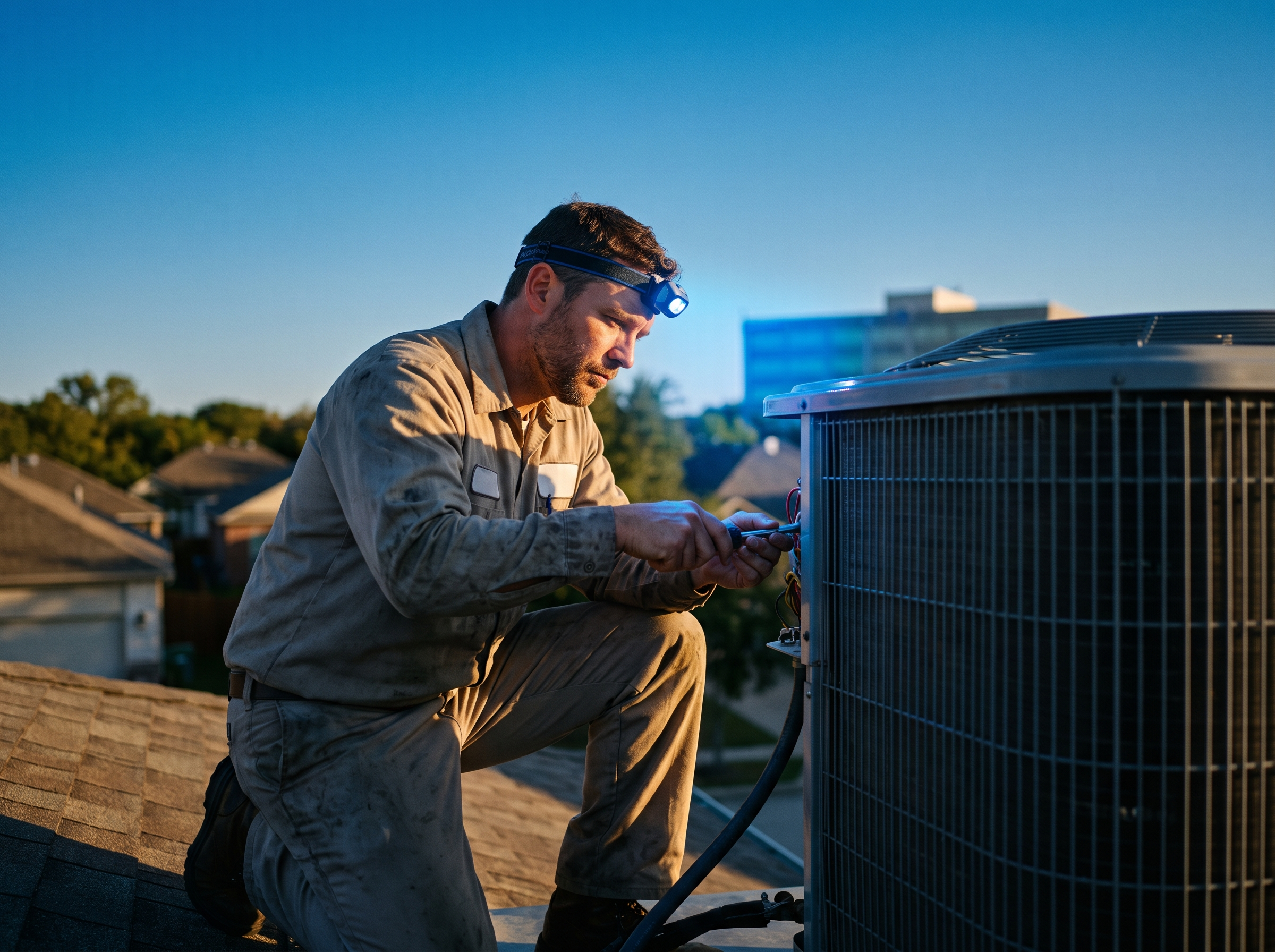
- HVAC: AC tune-ups in spring, heating checks in early fall.
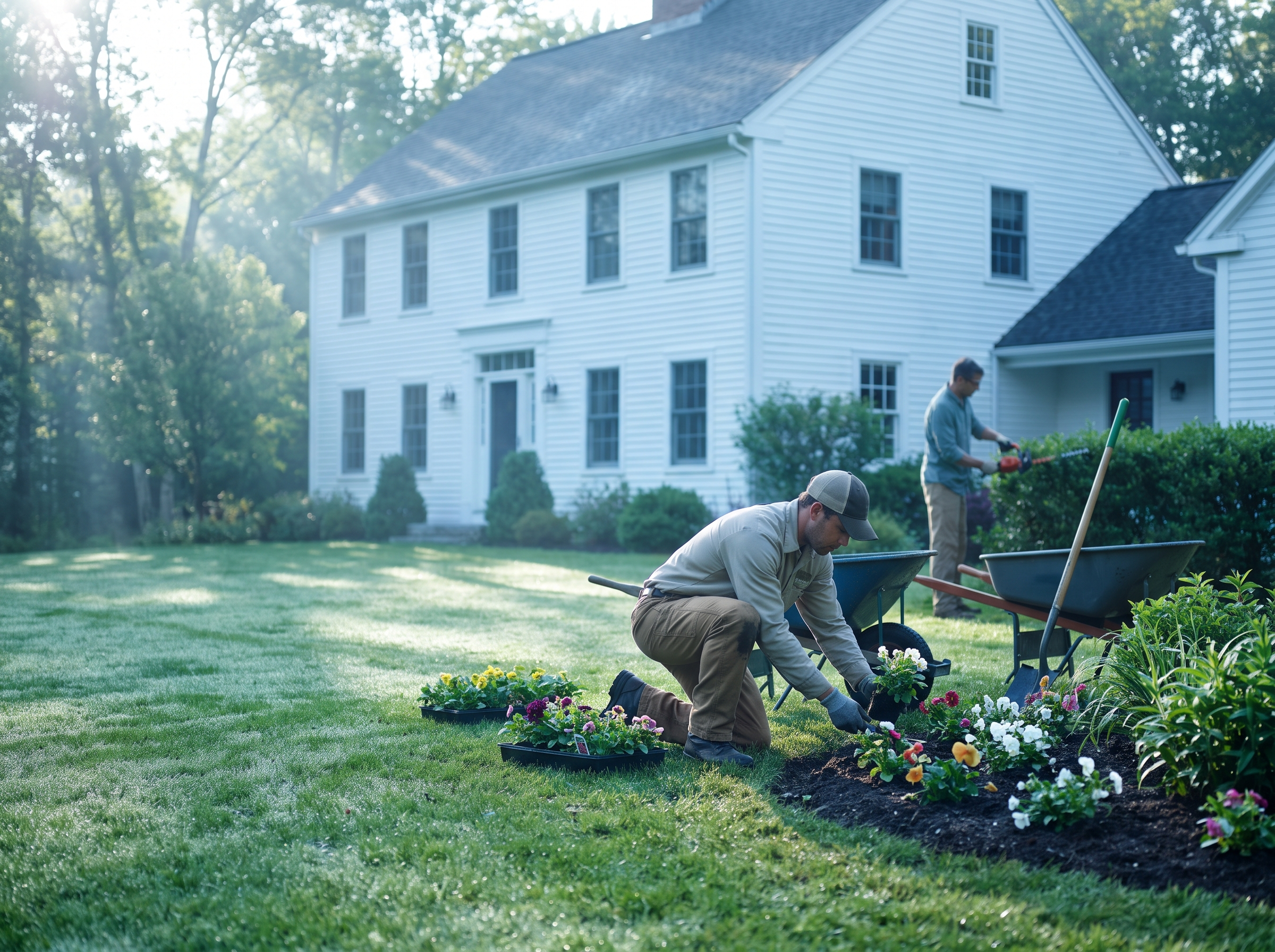
- Landscaping: spring cleanup, fall cleanup, aeration and overseeding windows.
- Gutter cleaning: late fall after leaf drop, plus spring.
- Pressure washing: spring and early summer.
- Detailing: spring salt removal and pre-winter protection.
Example text:
"Hi Karen, it's Tom at [Company]. We cleaned your gutters last November. Leaves are mostly down in your area, so we're building our route for the week of the 18th. Want us to add you? Reply YES and we'll confirm a day. Reply STOP to opt out."
Example email subject: "Your gutters, before the first freeze"
For landscaping timing, see our landscaping seasonal marketing calendar.
2. Maintenance checks
For equipment and finishes that age, remind people based on their install date:
"Hi Mike, [Company] here. Your water heater we installed in 2021 is due for a flush to help keep sediment down. It takes about an hour. Want to book a time? [link] Reply STOP to opt out."
"Hi Dana, it's been about a year since your ceramic coating. A maintenance wash and top-up keeps it beading. Want to schedule? [link]"
If you sell maintenance plans, this is also the natural time to offer one. Our post on HVAC maintenance plan renewal automation covers the renewal side.
3. Referral asks
Happy customers refer when someone asks them, and almost nobody asks.
"Hi Steve, thanks again for trusting us with your patio last spring. If you know a neighbor thinking about a project, we'd be grateful for an intro. Just reply with their name and we'll take good care of them."
Send referral asks shortly after a job is finished and reviewed, and again with a seasonal message. Keep it personal, from the owner or the crew lead by name. If you offer a referral thank-you, make sure it fits your state's rules for your trade.
How often to send
There's no magic number, but here's a reasonable rhythm for most trades:
- Text: 3 to 6 messages per year per customer, tied to real seasons or service intervals.
- Email: monthly at most, and only if you have something useful to say (seasonal tips, a project showcase, a scheduling window).
- One message per campaign, plus one reminder a few days later for people who opened but didn't respond.
Watch your opt-out rate. If it climbs after a campaign, the message was too salesy, too frequent or sent to the wrong segment.
Make replies easy to handle
Reactivation campaigns can create a burst of replies. Plan for it:
- Route replies into a shared inbox in your CRM, not one person's phone.
- Use keyword triggers: "YES" creates a task or books a slot; "STOP" unsubscribes.
- Stagger sends across a few days so the office isn't buried.
- Have open calendar slots ready before you hit send.
Customers who reply but don't book should get a follow-up. Our guide to automating follow-up on lost and booked jobs shows how.
Personalize without overdoing it
Mention the specific service, the season or the year of the job, and sign with a real name. "We cleaned your gutters last November" reads like a note from a business that remembers you. "Dear valued customer" reads like spam, and gets treated that way.
Track what it brings in
Tag every campaign and track replies, booked jobs and revenue. A simple example (hypothetical): if you text 400 past customers, 30 reply and 18 book at an average of $300, that's $5,400 from a list you already owned. Your numbers will differ, but you'll only know if you track them.
How RGS helps
We build reactivation campaigns that segment your past customers, send seasonal and maintenance messages by text and email with consent tracking, and route replies into your CRM. They fit trades like HVAC and landscaping. See our AI services and automations to learn more.